Field note · 11 July 2026
Saturday, six seats, one closed chart
What the Level Notebook morning looks like from the coat cupboard to the last copied line.
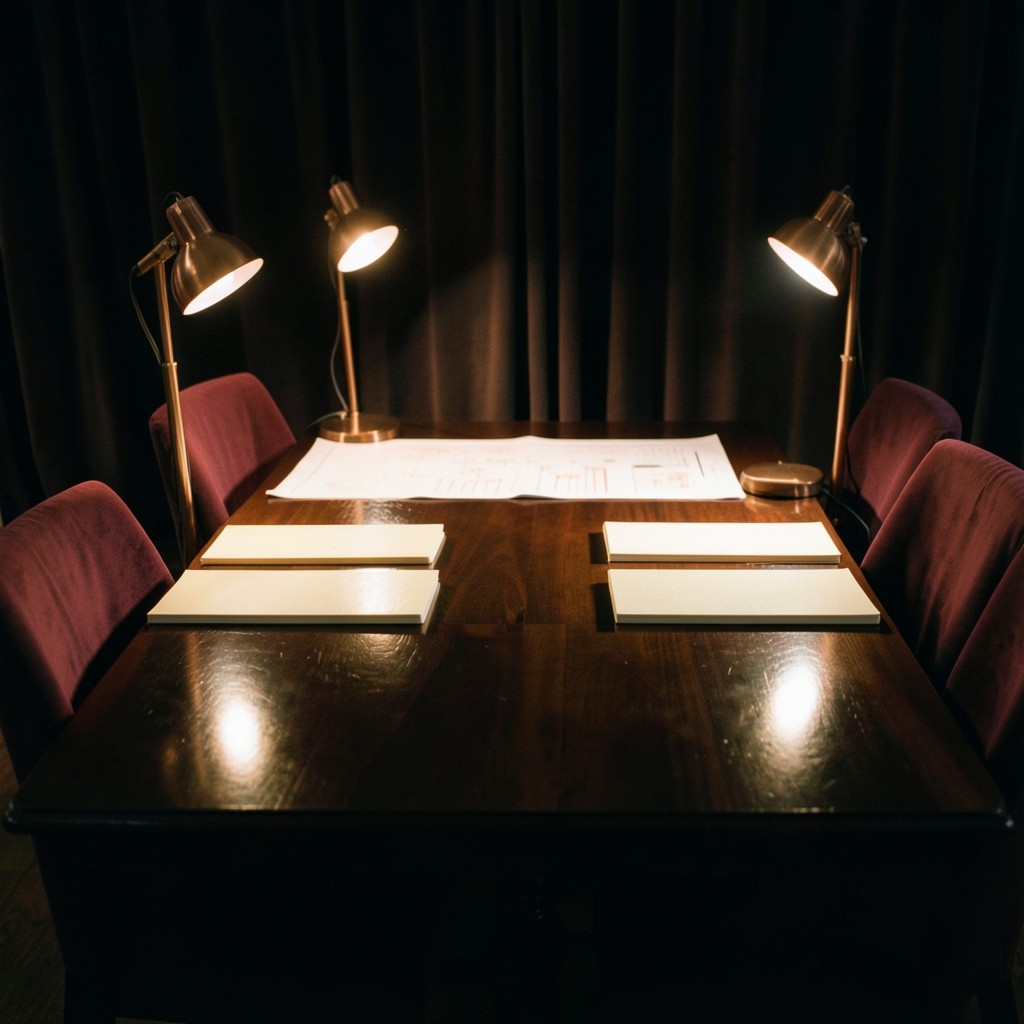
The door on Paldal-ro opens at 09:40. Coats go in the cupboard with the phones. Park Minjae has the example chart on the board before anyone sits: a market that has already finished the episode under discussion. Last month it was a stretch of the KOSPI cash index from a winter range. The name matters less than the fact that nobody can ‘catch’ the move while we argue about it.
Six seats is the whole capacity. A seventh person turns the table into a seminar, and the notebook work stops. People introduce themselves by the market they usually watch, then leave that market alone for three hours. The constraint feels strict until you see how quickly a second ticker would split the room.
Hour one is swings only. No horizontal lines yet. This is where visitors who learned chart reading from highlighted thumbnails get restless. The restlessness is useful information. If you cannot sit with highs and lows before promoting them, the later levels will be costume.
Hour two opens the ink question. Each person proposes one level and defends it in a sentence. The others may ask what the second touch was. They may not replace your sentence with theirs. Minjae writes the surviving sentences on the board exactly as spoken, including the clumsy ones, so you can hear the difference between a reason and a preference.
Hour three is quiet copying. The blank pages are ordinary paper. What leaves the room is a short list you did not invent on the bus. People often say the morning was slower than they wanted. The slowness is the method. A faster room would have produced more lines and fewer that anyone would still defend on Monday.