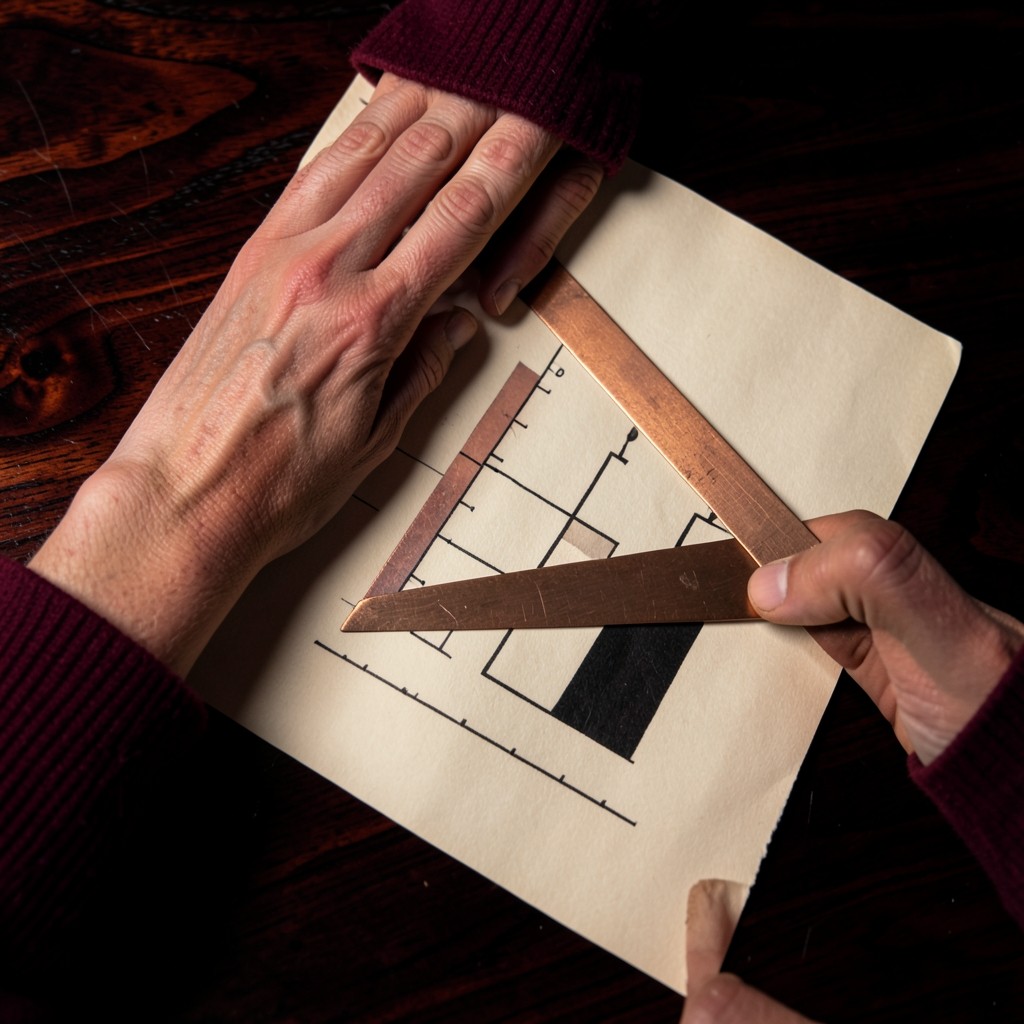
Flagship session
Confluence Desk
A private ninety-minute sitting for one instrument. You mark the levels that earn a place, test them for confluence, and leave with a scenario map written in the room.
Who sits down
The desk is for someone who already follows a single market and wants the marking done slowly, out loud, with a second pair of eyes. Regulars bring a daily chart of Samsung Electronics, a weekly of USD/KRW, or a KOSPI future they have watched long enough to name the last four swings. Beginners are welcome if they can point at a chart and say which timeframe they actually use.
Han Sora keeps the hour. She has taught level marking in this room since the evening circles of 2014. She does not take the pencil for the whole session. The map has to be in your handwriting or it will not survive the week.
What you leave with
A one-page scenario map for that instrument: a short ladder of price levels, a note on where independent reasons overlap, two or three paths for the coming sessions, and a retire condition that says when the map is finished. The page is yours. The room does not keep a copy of your positions, size, or account details, because those are not asked for.
Inside the ninety minutes
The first twenty minutes are only levels. Each line has to name its reason: a prior swing, a gap edge, a session level that held, or a close that the wick never replaced. Lines drawn through a single wick are erased.
The middle of the hour is confluence. Two marks that share a reason are one mark. Confluence is reserved for reasons that could have been found separately — a weekly swing sitting on a daily gap, for example — and still landing in the same zone.
The last half hour is the scenario map. You write a hold path, a break path, and, when the chart is dull, a drift path. Then you write the condition that retires the page: a close beyond a named level, a failed break that returns inside the range, or a week that never leaves the zone.
What the fee covers
The fee covers the tutor’s time, the desk, a blank map sheet, and a printed copy of the chart you brought if you sent it ahead by the previous afternoon. It covers one instrument and one timeframe family — a daily with its weekly context is the usual pair.
The hour covers marking and writing. Order tickets, broker access, alerts after you leave, and a second market are outside the sitting. If you want another instrument, that is another desk.
Before you arrive
Bring a printed chart, or send a file the afternoon before so the room can print it. The page should show the last four swings clearly, with enough margin to mark above and below. Decide the timeframe you actually watch during the week. Leave account numbers, position size, and leverage at home.
Arrive a few minutes early. The session starts when the chart is on the desk, not when the conversation about the news begins. News can be mentioned only if it explains a gap already visible on the page.
Fee and next step
The sitting is 180,000 KRW, paid when the time is confirmed. Weekday desks run Tuesday to Friday between 10:00 and 18:00. A request through the visit form, naming the instrument and a preferred day, is the way to ask for the hour. The room replies within two working days.